The "Control" Myth: Why Weight Loss Hypnotherapy is Actually the Ultimate Act of Self-Authority
February 12, 2026 · By Paola Mendez, Certified RTT Hypnotherapist · Updated September 20, 2026

If you’ve been curious about using hypnosis to finally end the cycle of emotional eating, but a voice in your head says, "What if I lose control?" or "What if they make me do something against my will?", you aren't alone.
Pop culture, movies, and stage shows have spent decades painting hypnotherapists as mysterious figures with "mind control" powers. At PaoHypnosis.com, we believe the truth is actually the opposite: You are currently out of control of your cravings, and hypnosis is the tool that gives that control back to you.

1. The Science: You Are Always the Pilot
One of the biggest fears is the "zombie" myth: the idea that you’ll be unaware of what’s happening. In reality, clinical hypnosis is a state of focused attention, similar to being "in the zone" while driving or being deeply absorbed in a great book.
The Study: Research published in the journal Cerebral Cortex used MRI scans to show that during hypnosis, the brain’s "executive control" remains intact. You are not "asleep"; you are in a state of heightened learning. Source: Stanford Study on Brain Activity During Hypnosis

2. You Cannot Be Forced to Act Against Your Will
A common concern is the "abuse of power." However, the subconscious mind has a built-in safety mechanism: your Critical Faculty. If a hypnotherapist gave you a suggestion that violated your moral code or personal safety, your mind would simply reject it and "snap" you out of the trance state.
In Rapid Transformational Therapy (RTT), we don't "control" you; we collaborate with you. You are an active participant in "investigating" your past to find the root of your weight struggle.
3. The Ethical Standard: Clinical vs. Stage Hypnosis
It is vital to distinguish between Stage Hypnosis (entertainment) and Clinical Hypnotherapy (therapy).
Stage Hypnosis: Uses extroverts who want to perform for an audience.
Clinical Hypnotherapy: A professional, therapeutic relationship guided by strict ethical codes.
At Pao Hypnosis, our sessions are built on a foundation of consent and safety. You are always aware of your surroundings, you remember the session, and you are the one who decides to accept the new, healthy "programming" for your life.
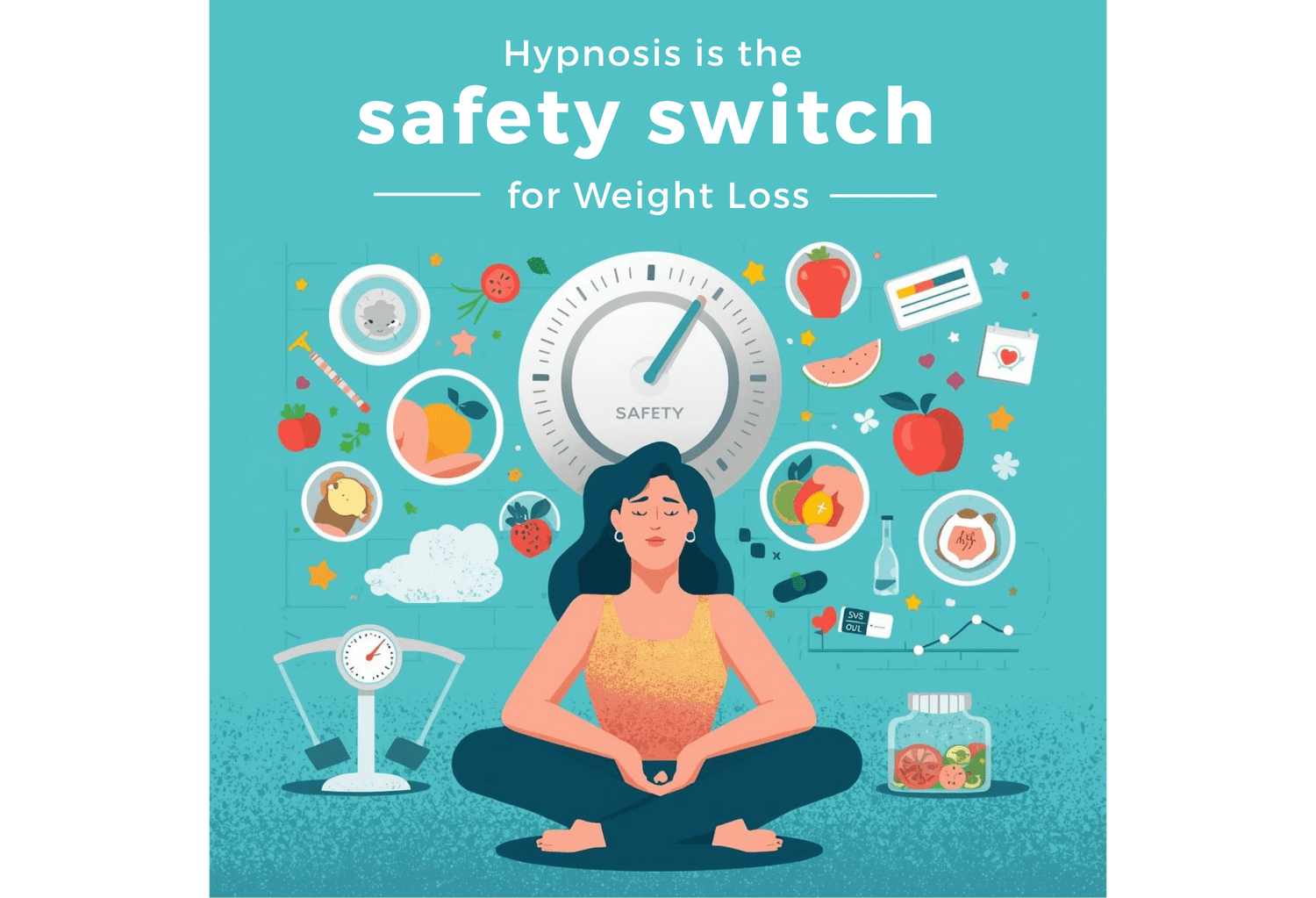
4. Why Hypnosis is Actually the "Safety Switch" for Weight Loss
Think about your current relationship with food.
Do you feel in control when you binge late at night?
Do you feel in control when you can't stop thinking about sugar?
That is the real "mind control": your outdated subconscious programs are running the show without your permission.
The Evidence: A meta-analysis published in the Journal of Consulting and Clinical Psychology found that adding hypnosis to a weight-loss program increased the results by 97% and, more importantly, helped maintain the weight loss long-term. Source: Hypnosis as an Adjunct to CBT for Weight Loss

5. Reclaiming Your Authority with Pao Hypnosis
When you work with me at PaoHypnosis.com, we use hypnosis to unplug you from the addictive loops of the food industry. We aren't putting ideas into your head; we are removing the "glitches" that keep you stuck.
Hypnosis doesn't take away your power. It returns it to you.
Your Safety Checklist:
You are in total control of the session at all times.
You cannot be stuck in hypnosis (it’s impossible).
You define the goals; I simply provide the "GPS" to get you there.
FAQs: Addressing the Fear
Q: Can a hypnotherapist make me reveal secrets? A: No. Hypnosis is not a "truth serum." You have the same ability to choose what you say in hypnosis as you do in a normal conversation.
Q: What if I don't wake up? A: Hypnosis is a natural state of mind. If the therapist stopped talking, you would either drift into a light sleep or simply open your eyes when you realized the silence.
Ready to take back the wheel?
If you’re tired of being "controlled" by cravings and ready to step into your own power, let’s talk.